

seo domain registration company spam, search engine registration scam, domain name services letter, seo domain registration company scam, search engine registration spam, is domain registration service seo company a scam
Common Tactics Used by Domain Scammers
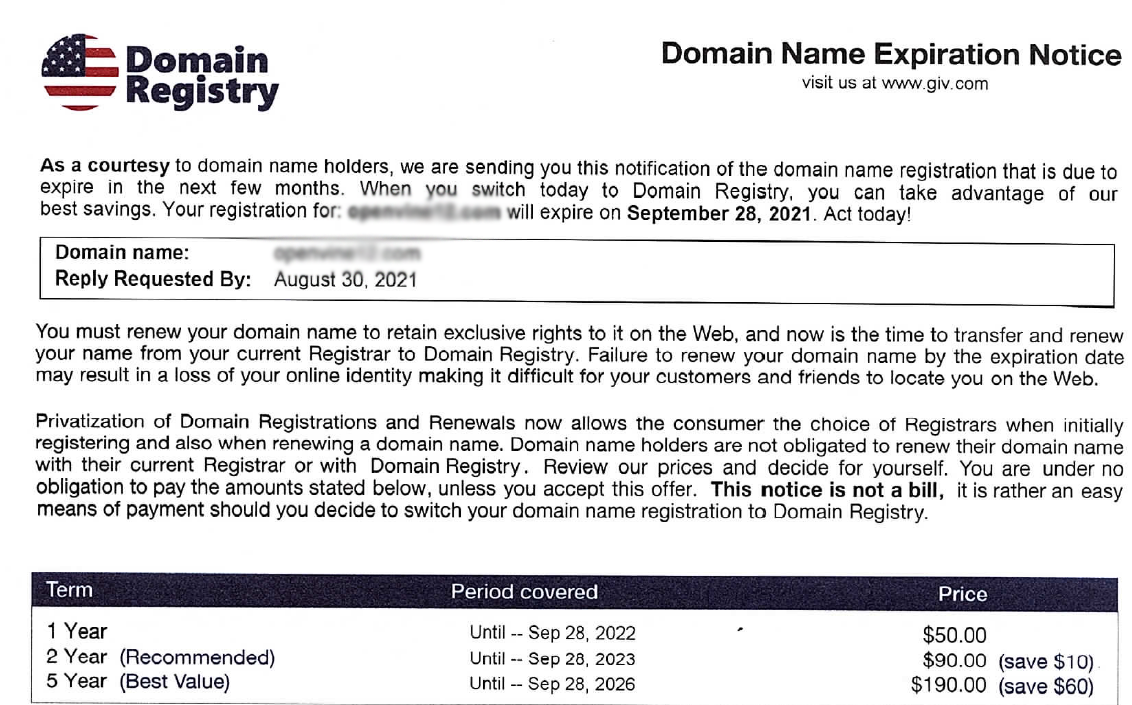
Domain scammers often employ various deceptive tactics to mislead their targets. One prevalent method is sending official-looking letters that claim the recipient's domain is about to expire or that they need to register similar domains. These letters can create a sense of urgency, prompting individuals to act quickly without verifying the information.
Another tactic includes using misleading company names that resemble legitimate domain registration services. Scammers may also include fake registration deadlines or fees that seem reasonable, further convincing recipients to respond. Understanding these tactics can help individuals recognize potential scams and avoid falling victim to them.
Real-Life Examples of Domain Registration Scams
There have been numerous instances where individuals and businesses have been targeted by domain registration scams. For example, one common scenario involves a company receiving a letter stating that their domain name is about to expire, accompanied by a hefty renewal fee. Many unsuspecting recipients have paid these fees, only to realize later that their domain was not up for renewal.
Another example includes fraudulent companies sending emails that appear to be confirmations of domain registrations that the recipient never initiated. These scams exploit confusion and urgency, leading individuals to believe they must act immediately to protect their online presence. Highlighting such examples can educate users on the types of scams prevalent in the domain registration landscape.
Legal Actions Against Domain Registration Scams
Taking legal action against domain registration scams is a critical step in combating this fraudulent activity. Victims can report these scams to various authorities, including the Federal Trade Commission (FTC) and local consumer protection agencies, which can investigate and potentially take action against the scammers.
Furthermore, individuals can also pursue civil action against scammers, although this can be challenging due to the often anonymous nature of the perpetrators. Educating users about their legal rights and available resources empowers them to take a stand against such fraudulent practices and seek justice.
Resources for Reporting Domain Scams
There are several resources available for individuals who encounter domain registration scams. Websites like the Federal Trade Commission (FTC) provide guidelines on how to report scams and protect oneself from fraudulent activities. Users can also check state-specific consumer protection agencies for additional support.
Additionally, organizations like the Internet Crime Complaint Center (IC3) allow users to file complaints about online fraud, including domain registration scams. Utilizing these resources can help authorities track and mitigate these scams, ultimately protecting other potential victims.