High Performance Web Hosting
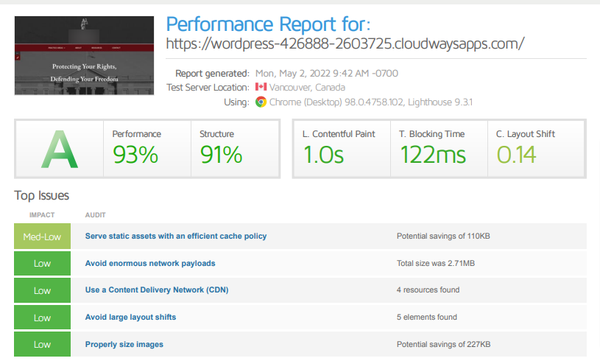
Do you have a website built with WordPress? Is it high-performing, loads fast, and meets Google Core Web Vitals benchmarks?...

Google's Core Web Vitals are essential metrics that evaluate the user experience on your website, focusing on loading performance, interactivity, and visual stability. For WordPress sites, meeting these standards is crucial to ensure your visitors have a seamless experience, which can lead to higher engagement and conversion rates.
Core Web Vitals consist of three main metrics: Largest Contentful Paint (LCP), First Input Delay (FID), and Cumulative Layout Shift (CLS). Optimizing for these metrics involves techniques like optimizing images, reducing server response times, and ensuring that your site's layout remains stable during loading. Tools like Google PageSpeed Insights can help you measure and improve these metrics effectively.
High-performance web hosting is critical for WordPress sites, as it directly impacts website speed, security, and reliability. Choosing a hosting provider that specializes in WordPress can lead to enhanced performance, allowing your site to load quickly and handle traffic spikes without issues.
With high-performance hosting, you gain access to features like SSD storage, optimized server configurations, and advanced caching solutions. These features not only improve loading times but also contribute to better SEO rankings, as search engines favor faster websites. Additionally, robust security measures offered by reputable hosts help protect your site from potential threats.
Optimizing your WordPress site for speed involves various strategies that can significantly enhance user experience and SEO performance. Simple adjustments, such as selecting a lightweight theme and minimizing the use of plugins, can lead to considerable improvements in loading times.
Moreover, implementing caching solutions, using a Content Delivery Network (CDN), and compressing images are effective ways to boost your site's speed. Regularly monitoring your site’s performance using tools like GTmetrix or Pingdom can help identify bottlenecks and areas for improvement, ensuring your site remains competitive in search engine rankings.
When selecting a hosting plan for your WordPress site, it's essential to consider your specific needs, including expected traffic, budget, and technical requirements. There are various hosting options available, such as shared, VPS, and dedicated hosting, each catering to different levels of performance and resource allocation.
For small businesses or personal blogs, shared hosting may suffice, while larger websites with high traffic may benefit from VPS or dedicated hosting solutions. Evaluating the features offered by each plan, such as storage capacity, bandwidth, and customer support, will help you make an informed decision that aligns with your long-term goals.