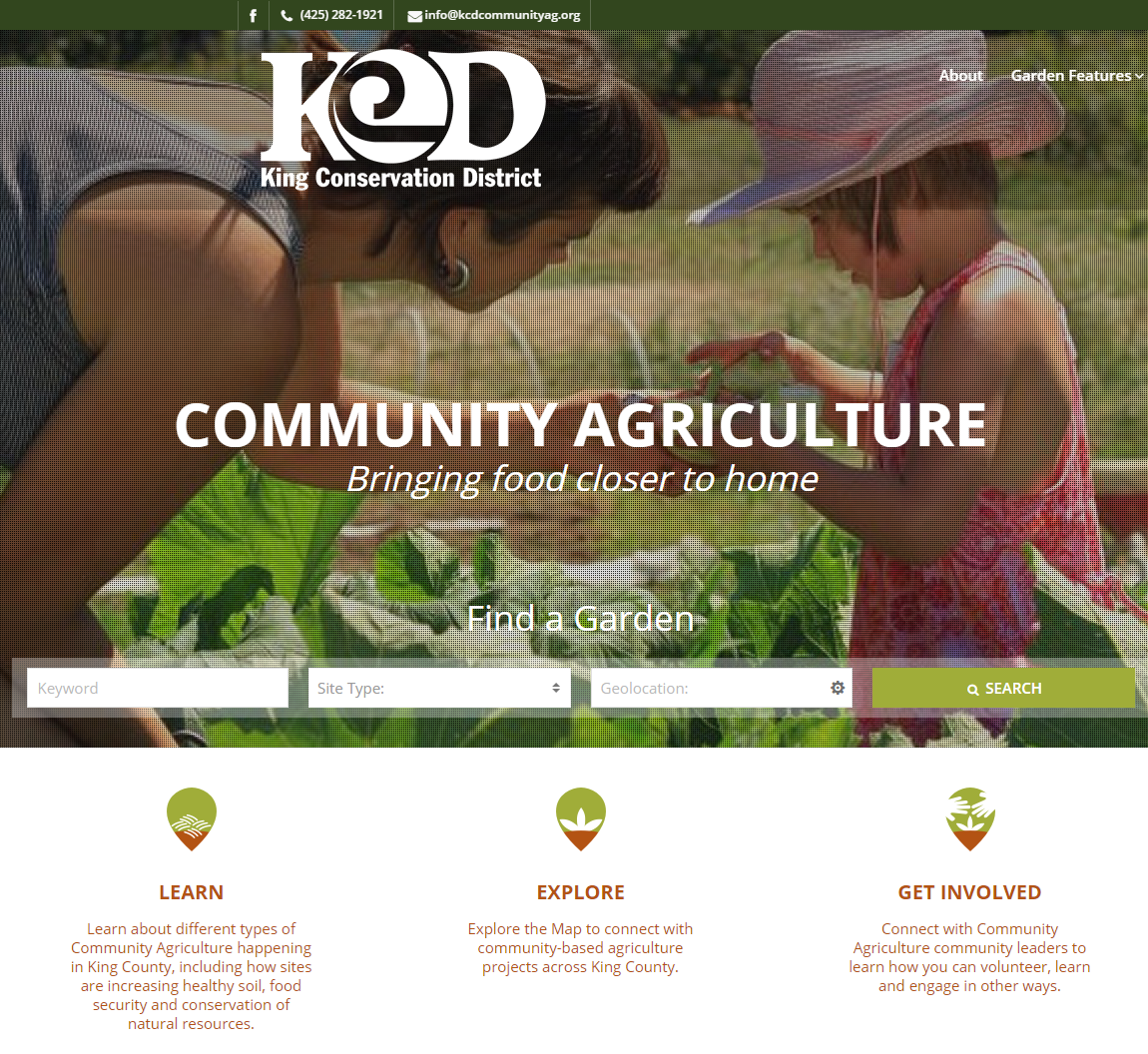
Benefits of Sustainable Agriculture
Sustainable agriculture offers numerous benefits, including improved soil health, increased biodiversity, and enhanced resilience against climate change. By adopting sustainable practices, farmers can produce food in a way that is environmentally friendly and economically viable, ensuring the longevity of their farming operations.
For example, practices such as crop rotation, cover cropping, and organic farming not only improve soil quality but also reduce the need for chemical fertilizers and pesticides. This leads to healthier ecosystems and better quality produce, which can be marketed as premium products to conscious consumers.
Success Stories from the King Conservation District
The King Conservation District has numerous success stories that highlight the impact of their initiatives on local farmers and the community. These narratives serve as powerful testimonials to the effectiveness of sustainable practices and the support provided by the district.
One notable success story involves a local farmer who implemented soil conservation techniques recommended by the district, resulting in a 30% increase in crop yield and a significant reduction in water usage. Such examples not only inspire other farmers but also demonstrate the tangible benefits of engaging with the district's resources.
Partnerships and Collaborations
Partnerships and collaborations are vital to the success of the King Conservation District's initiatives. By working together with local organizations, educational institutions, and governmental bodies, the district can leverage resources and expertise to enhance its programs.
For instance, collaborations with universities allow for research-driven approaches to agriculture, while partnerships with local NGOs help in reaching out to more farmers. These alliances foster a community spirit and ensure that diverse perspectives are included in the district's initiatives.
How to Get Involved with the King Conservation District
Getting involved with the King Conservation District is easy and beneficial for both individuals and businesses looking to support sustainable agriculture. The district offers various opportunities for participation, including volunteer programs, workshops, and advisory roles.
Interested individuals can sign up for newsletters, attend local events, or participate in community projects. Businesses can also engage by sponsoring events or providing resources, thereby playing a crucial role in promoting sustainable practices within the community.